
The best beginner species for aquatics
If you’re new to aquatics, the best beginner species are hardy, adaptable fish that tolerate small mistakes while you learn. But knowing which of these fish are best suited for your tank can be the biggest challenge. Popular choices include guppies, platies, zebra danios, and White Cloud Mountain minnows, all known for their resilience and ease of care.
Starting with the right species makes a huge difference to your success and your fish’s wellbeing. Below, we’ll guide you through the best options and how to care for them properly.
What makes a fish good for beginners?
Beginner-friendly fish tend to share a few key traits:
- Hardy nature – cope well with small water changes or fluctuations.
- Simple diet – eat standard flakes or pellets
- Peaceful behaviour – less likely to fight with tank mates
- Low maintenance needs – don’t require complex equipment or care
Choosing species with these traits gives you a smoother start while you build confidence
Factors to Consider
It’s not just about what you want to keep
When planning to stock a tank, it’s not just about what you want to keep; it’s about what will realistically work for you.
In an ideal world, we could choose all our favourite species and bring them together in a perfectly balanced aquascape. But in reality, successful fishkeeping comes from understanding what your fish need to thrive, not just what looks good.
How much time can you realistically dedicate to your aquarium on a daily, weekly, and monthly basis?
Even low-maintenance setups require consistency, and building good habits early on makes all the difference.
Good fishkeeping, takes time to learn.
Rather than starting with exotic, high-maintenance showpiece species, it’s far better to begin with hardy, beginner-friendly options. These allow you to build confidence and understand the core principles of the hobby before progressing further.
Not all advice is equal.
We regularly see the impact of incorrect or incomplete guidance, where unsuitable species or setups lead to frustration for the owner and poor welfare for the fish. Starting with the right knowledge and the right species helps avoid these common pitfalls and sets you up for long-term success.
You may have your ideas for a tank questioned in-store. This isn’t about doubting your ability as a fishkeeper!
It’s about offering professional guidance on what will work best for you right now.
We also have a duty of care to our animals. The questions we ask are there to ensure every fish is going to a suitable home, where it can thrive from the very start.
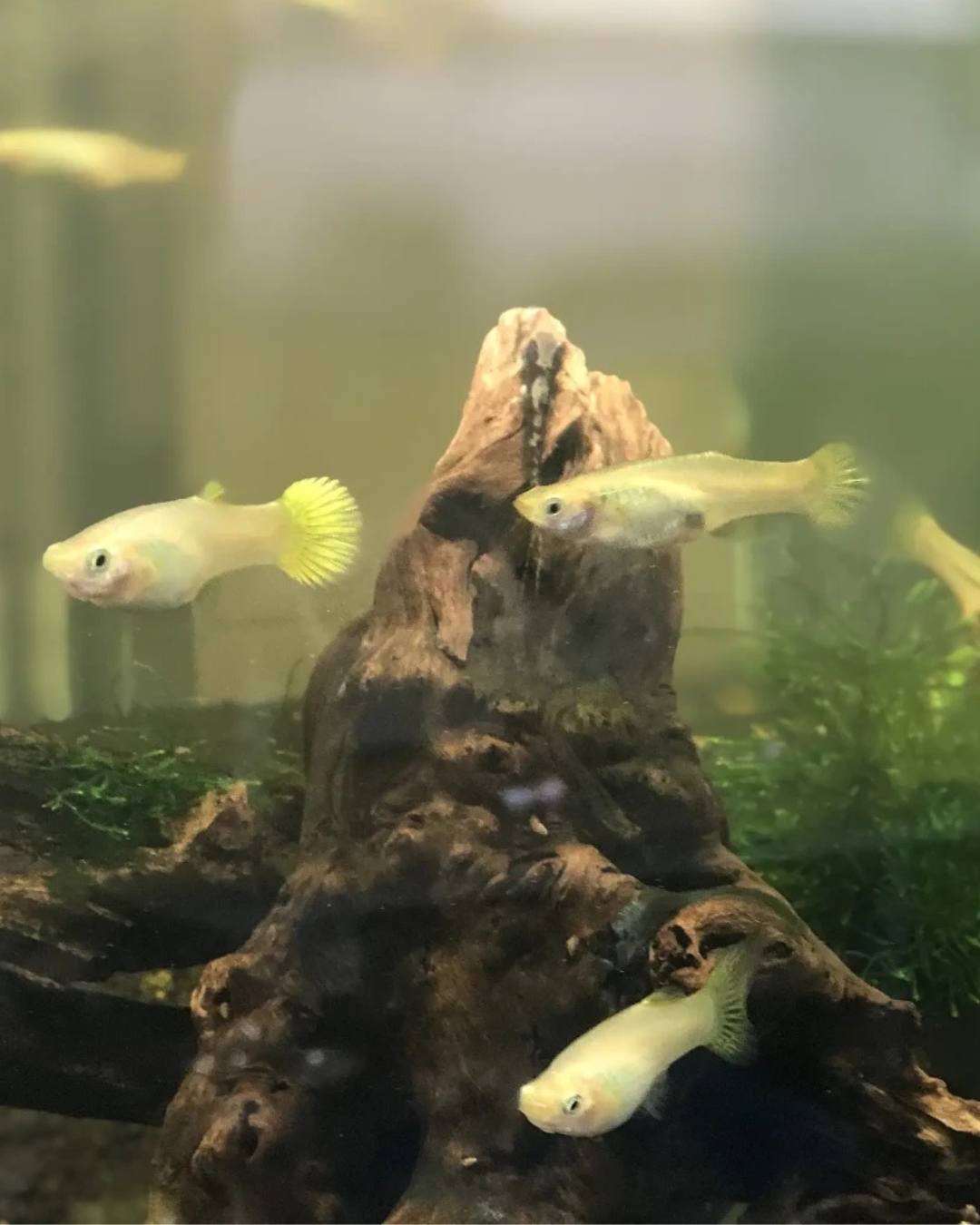
Guppies
- Bright colours and active behaviour
- Thrive in small groups
- Adapt well to a range of conditions
They’re ideal if you want a lively tank without too much effort.
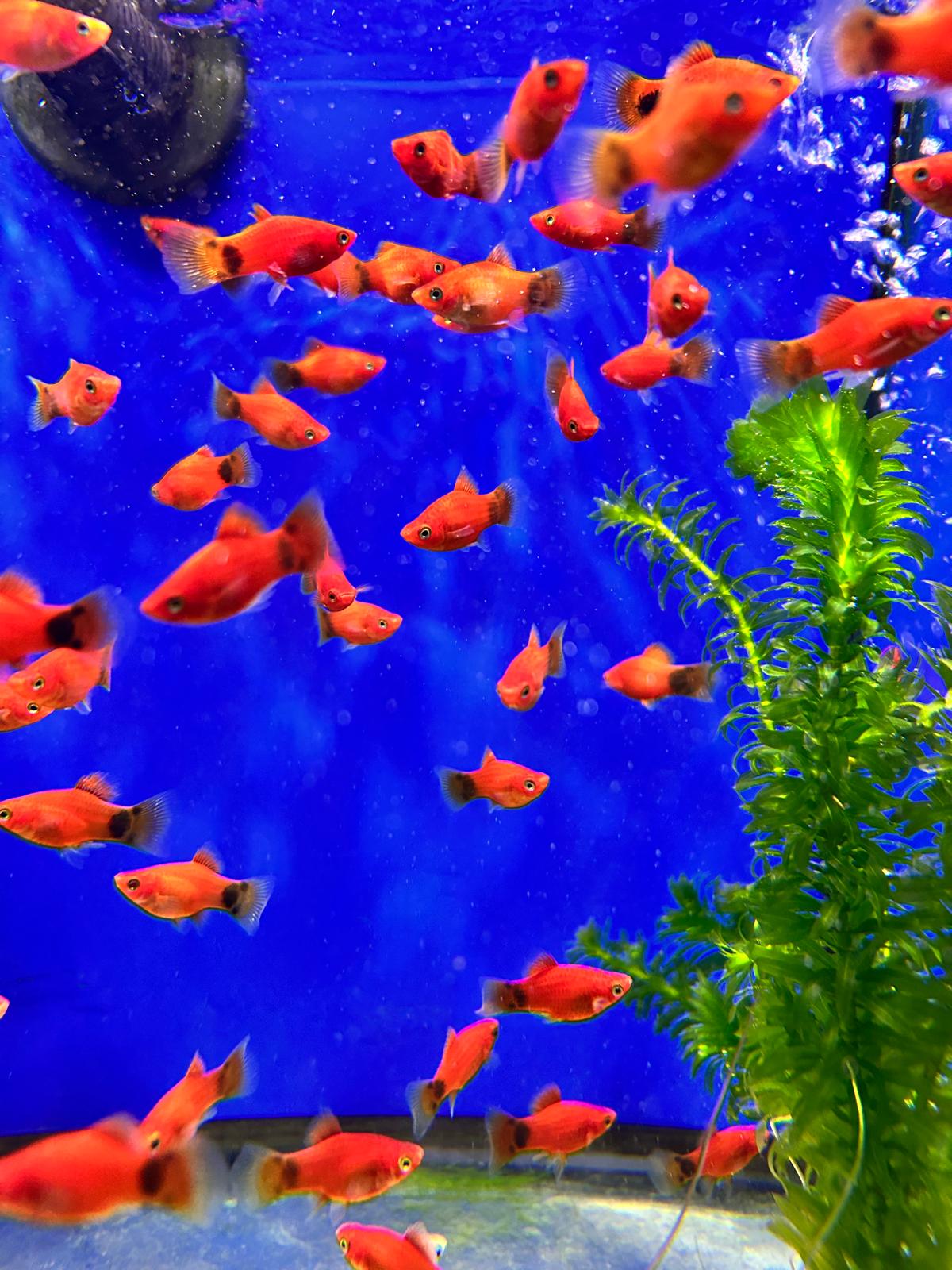
Platies
- Peaceful and sociable
- Easy to feed
- Tolerant of minor water changes
They mix well with other calm species, making them great for a first community aquarium.
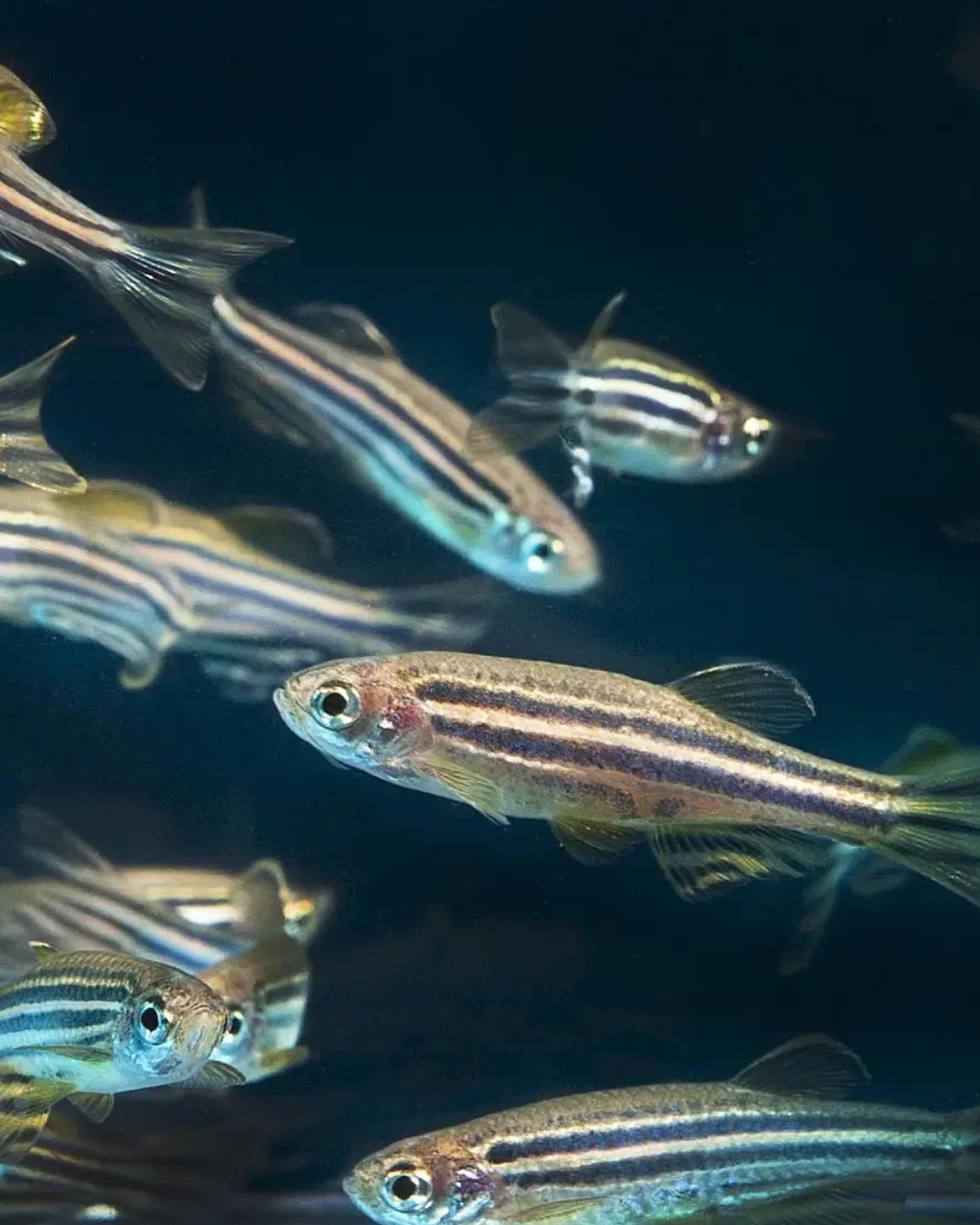
Zebra danios
- Very active swimmers
- Cope well with temperature fluctuations
- Rarely aggressive
They’re a great choice if you’re still learning about tank stability.
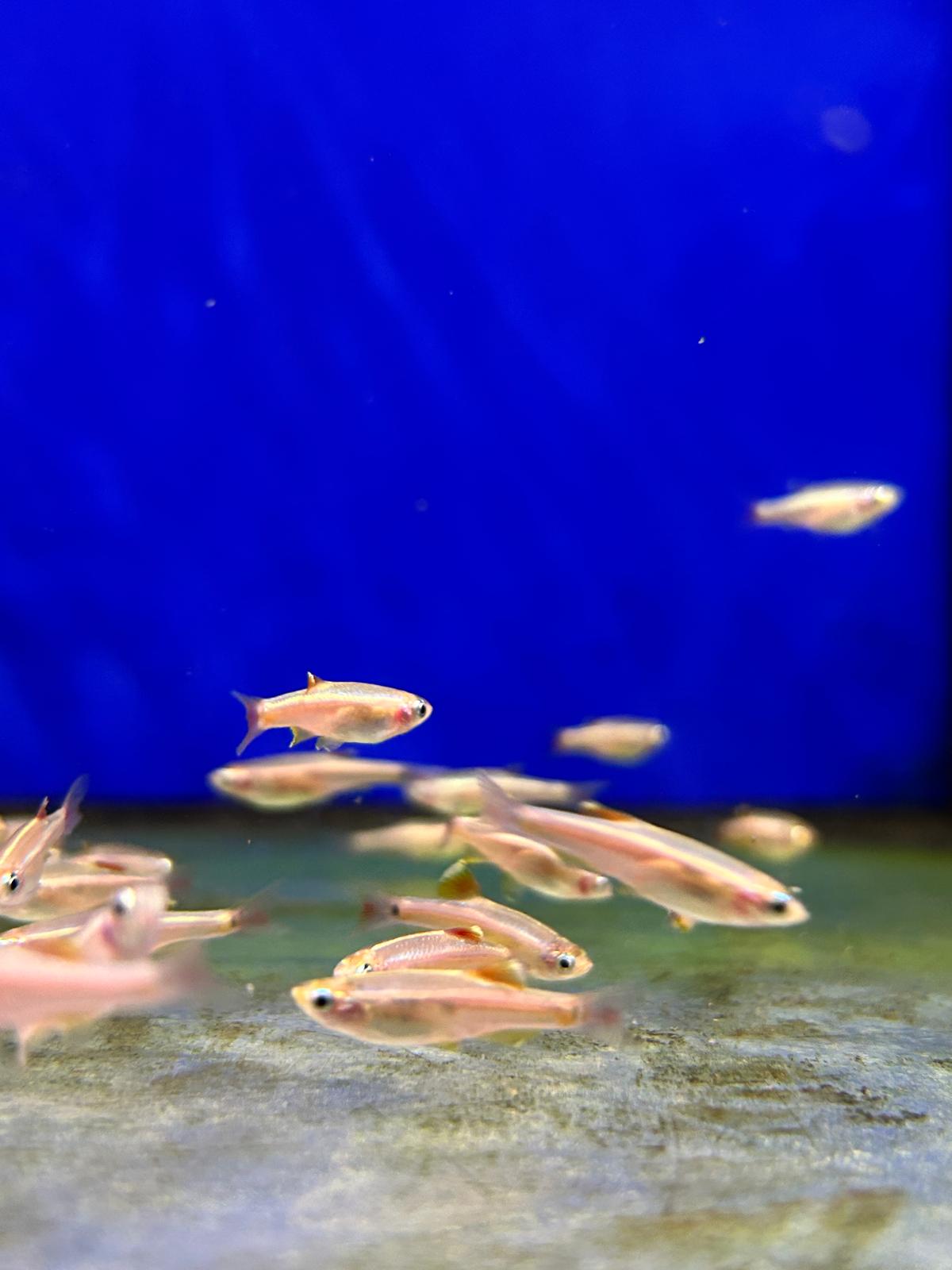
White Cloud Mountain minnows
- Extremely hardy and adaptable
- Can live in cooler water (no heater required in many homes)
- Peaceful and ideal for small groups
They’re perfect if you want a low-maintenance, coldwater-style setup with active fish
What about coldwater vs tropical fish?
Choosing between coldwater and tropical setups depends on your preference:
Coldwater setups
- No heater required (in many cases)
- Simpler setup
- Includes species like White Cloud Mountain minnows
Tropical setups
- Wider variety of fish and shrimp
- More colourful displays
- Requires a heater and monitoring
For many beginners, tropical tanks offer more flexibility and variety.
What equipment do beginners need?
A simple, reliable setup is key:
- Tank (appropriate size for species)
- Filter (essential for clean water)
- Heater (for tropical setups)
- Water conditioner
- Test kit
Good equipment prevents most common beginner problems.
What common mistakes should beginners avoid?
- Overfeeding: leads to poor water quality
- Overstocking: too many fish too soon
- Skipping water changes
- Mixing incompatible species
These are the most common issues and they’re all preventable.
When should I contact a vet?
Although many issues can be managed with good care, seek veterinary advice if you notice:
- Fish not eating for several days
- White spots, lesions, or unusual growths
- Gasping at the surface
- Sudden behaviour changes
For trusted guidance, you can also refer to organisations like:
What is the easiest species for beginners?
Guppies, zebra danios, and cherry shrimp are among the easiest due to their hardiness and simple care needs
Can beginners keep tropical fish?
Yes, tropical fish are suitable for beginners if you have the right equipment, especially a heater and filter.
How often should I clean a fish tank?
Carry out a partial water change (around 10–25%) once a week to maintain good water quality.
If you want more information on how to set up your perfect aquarium please get in touch our staff are always happy to help!